
 ENG
ENG 华文
华文Funeral customs hold a special place in Chinese culture. They’re not just rituals—they’re a reflection of deep values and traditions passed down through generations.
These customs in the Chinese funerals help families honour their loved ones, show respect to their ancestors, and find closure during times of loss.
In Singapore, you’ll notice that these traditions remain rooted in their origins, even as they adapt to modern times.
In this article, we’ll walk you through these Chinese funeral rituals, traditions, and customs practiced in Singapore.
Foundations of Chinese Funeral Beliefs
At the heart of Chinese funeral customs lies a deep respect for life, death, and the afterlife.
For many, death is viewed not as an end, but as a transition to another realm. By honouring this journey, you’re ensuring peace for the departed and bestowing blessings to the living.
The funeral ceremony rites reflect deep love for family and ancestors, with filial piety expressed as a heartfelt act of love and gratitude.
In Singapore, these traditions are enriched by a multicultural and interfaith context, blending age-old customs with modern influences, to create a unique way of paying respects while preserving its values.
Chinese Funeral Customs Observed in Singapore
Below are some of the Chinese funeral customs and traditions that are practised in Singapore.
1. The Wake
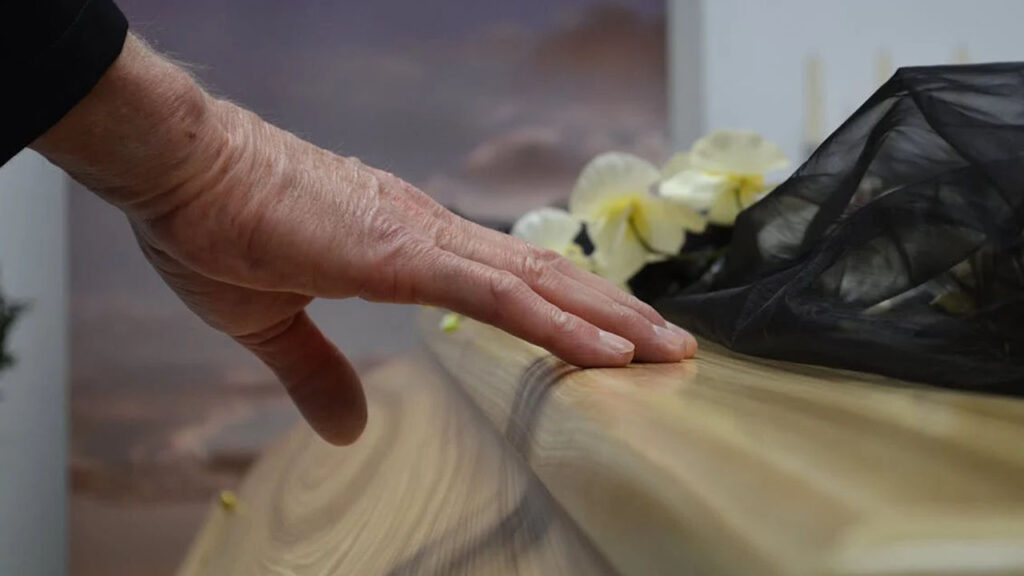
A Chinese funeral wake in Singapore usually lasts three to seven days, depending on the bereaved family’s preferences and traditions.
In most Chinese funerals, the casket is placed in a solemn area, surrounded by wreaths, lanterns, and other offerings, such as fruits, joss sticks, and paper money.
Every detail, from the arrangement to the atmosphere, is important in Chinese wakes. Mirrors are often covered with white cloth to prevent spirits from being trapped in reflections, ensuring the deceased transitions peacefully and do not become evil spirits.
2. Mourning Attire

Mourning garments play a significant role in Chinese funeral customs. Only neutral and subdued colours are worn during the funeral.
The grieving family members would wear white to symbolise purity and mourning, while other funeral guests would wear black.
Have you noticed some families wearing sackcloth or unadorned robes? These garments are worn by the immediate family members to express deeper sorrow and respect for the deceased.
Different family members follow specific mourning clothes, reflecting their relationship with the deceased. This visual display of mourning unites the family in their shared loss and devotion.
3. Rituals and Offerings

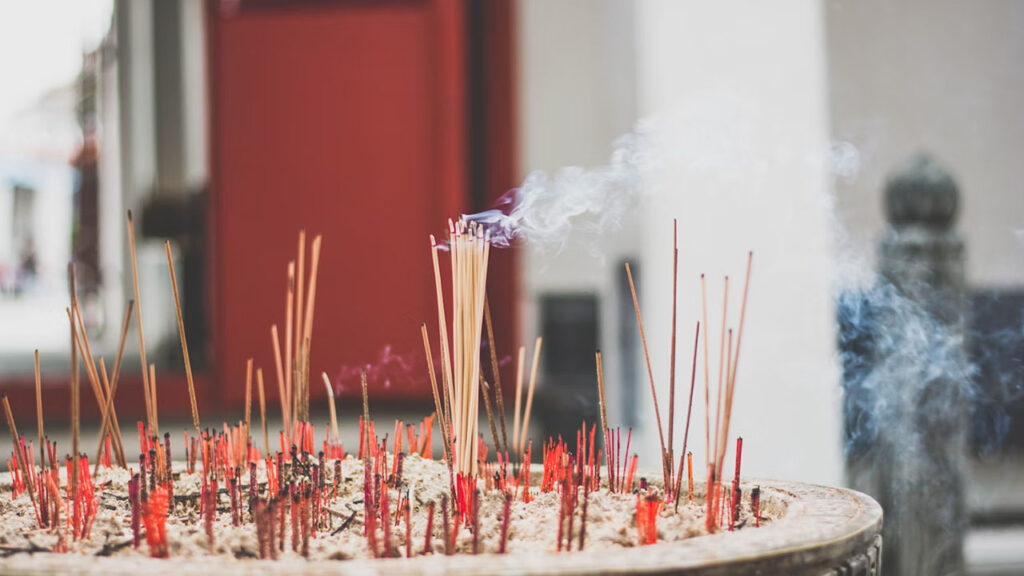
The burning of incense and joss paper is a common sight during the death rituals in Chinese funerals.
It’s part of the funeral rite, and these offerings are believed to provide the deceased with essentials, like money and comforts in the afterlife.
Additionally, you can include food in the rite, as a means of giving care and sustenance to the deceased’s soul.
While the practices in Chinese funerals in Singapore have often been adapted for modern settings, yet one thing’s for sure—their significance and cultural roots remain unchanged.
4. Prayer Services
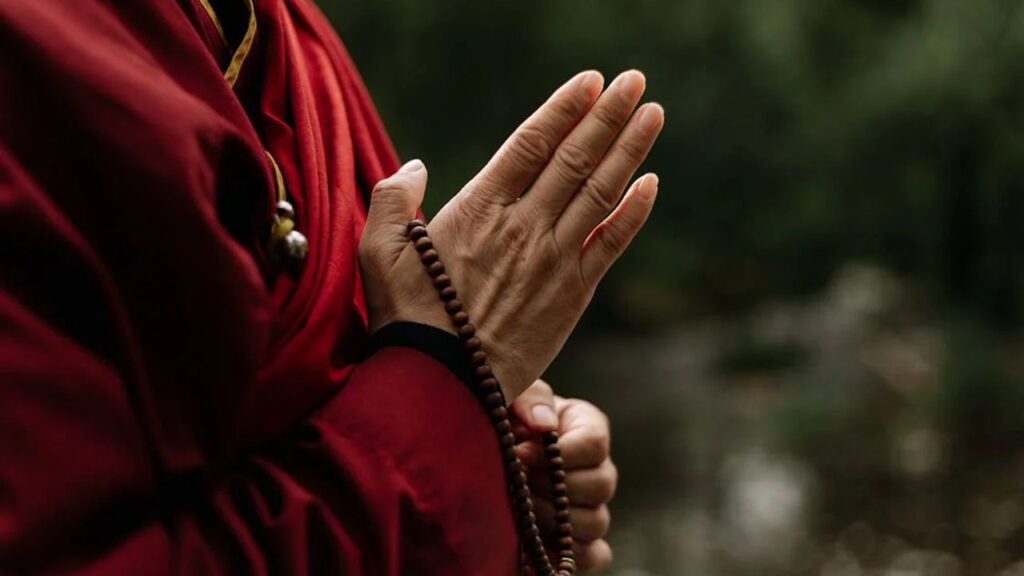
One of the key parts of Chinese funeral wakes is the prayer services. The prayer is believed to offer spiritual guidance for the deceased’s journey to the afterlife.
Typically held at scheduled times during the wake, the prayer service is led by a Taoist priest or Buddhist monks, depending on the family’s faith and religious beliefs.
The prayer services are sacred—they include chants and rituals. Other than to ward off evil spirits, these rituals are done to bring peace to the departed soul.
In other Chinese religious funerals, monks and taoist priests also perform purification and funeral rites, ensuring the deceased is well-prepared for the next life.
5. Funeral Procession

The funeral procession is a meaningful part of Chinese funeral customs. It’s the final journey for the deceased, from the wake to the crematorium or burial site.
This is also a chance for you to say your last goodbye.
Have you noticed how pallbearers would carefully carry or escort the casket? This act isn’t just practical—it’s a heartfelt gesture of respect at funerals in Singapore.
These pallbearers are also, oftentimes, the immediate family or close friends of the deceased.
Some processions even include a funeral band or chanting, believed to guide the spirit peacefully for a smooth journey.
Sometimes, you might also see paper money being scattered along the way. It’s a symbolic gesture to appease wandering spirits and protect the bereaved family on this journey.
6. Cremation vs. Burial
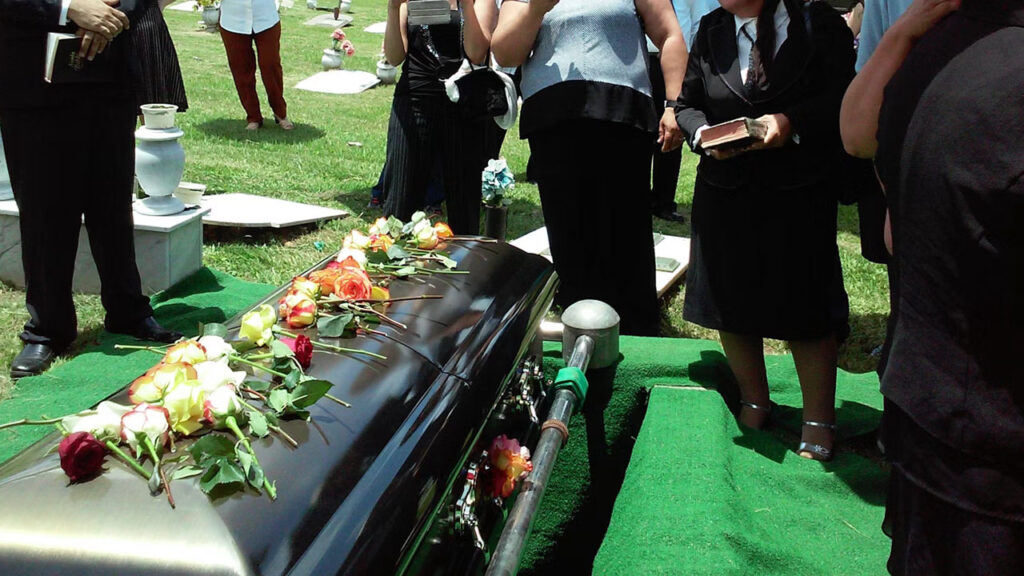
Have you ever wondered how Chinese families decide between cremation and burial? In Singapore, this choice often depends on tradition, religious beliefs, and practicality.
With space being limited in the city, many families often prefer cremation. However, burial remains significant for some who adhere to the traditional practices.
In the past, burial symbolised a return to Mother Earth, reflecting deeply rooted cultural values. Today, many see cremation as an equally respectful and practical way to honour their loved ones.
Ultimately, both options share the same purpose: to provide the deceased with a dignified send-off while upholding the family’s values and beliefs.
7. Ancestral Tablets
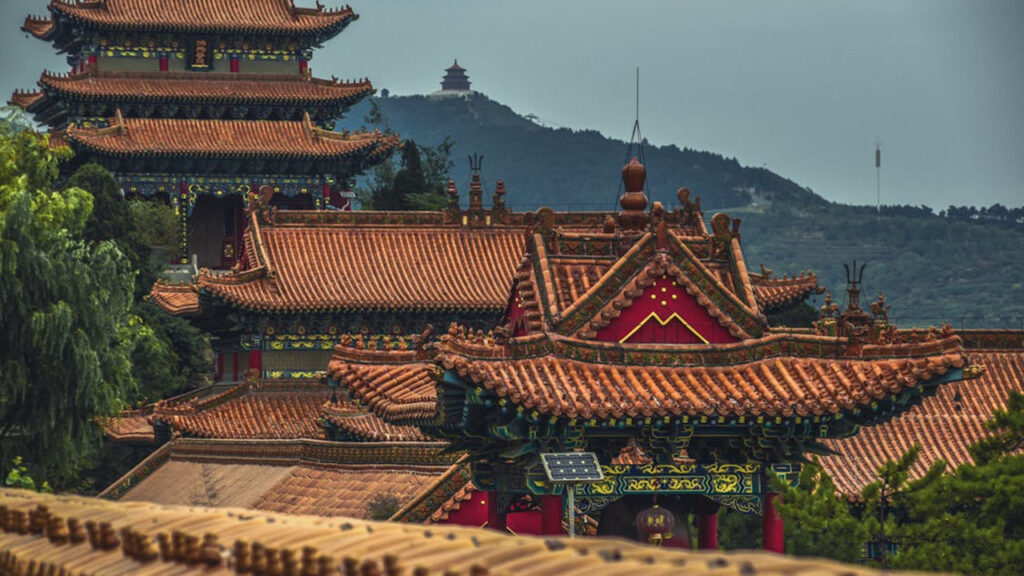
Ancestral tablets are spiritual connections between you and your ancestors.
Oftentimes, you can see these tablets placed in family homes or ancestral halls, where many families can visit, pray, and offer their respects.
It’s also a form of filial piety, passed down from generation to generation.
Do you know that the installation of these tablets is a ritual itself? The installation ritual in the ancestral altar is a way of inviting the spirit to reside within them.
By maintaining these tablets with care and devotion, you’re showing gratitude and keeping the family bond alive, even across generations.
8. Post-Funeral Rituals
So, what happens after the funeral? Well, there are several meaningful Chinese funeral traditions that ensure a peaceful transition for the deceased and honour their memory.
A key tradition is the 49-day mourning period. During this time, families offer prayers and perform rituals to guide the spirit on its journey to the afterlife.
Then there’s the key practice on the seventh day after death, also known as the “return of the spirit.”
It is believed that the spirit of the deceased visits their family on this day, and offerings like food and burning of joss paper are provided as comfort and sustenance for their journey.
9. Modern Adaptations

Chinese funeral traditions and burial customs have evolved over time.
For example, practices like burial have shifted to cremation and columbarium niches due to the city’s limited space.
Younger generations are also finding new ways to uphold traditions while juggling modern lifestyles.
These days, Chinese funeral services often mix traditional rituals with modern touches, making them both meaningful and practical.
10. Tomb-Sweeping Day (Qingming)
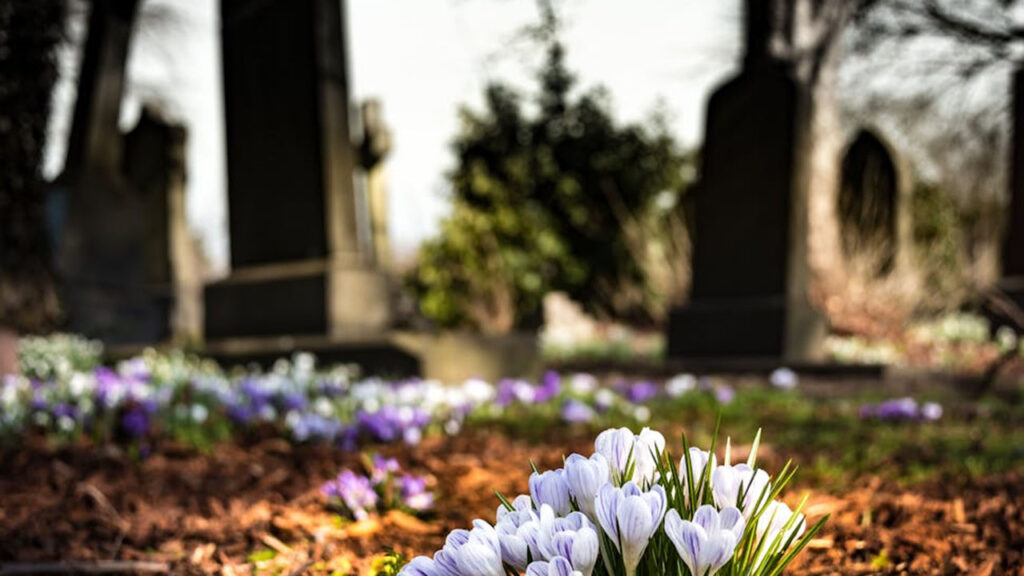
The Qingming Festival is a special time for honouring your ancestors.
You’ll visit their graves or columbarium niches, clean them, offer food, burn incense, and make joss paper offerings.
In Singapore, Qingming has adapted to the modern pace of life such as hiring services to clean the tombs, but the tradition of personalising offerings—like the deceased’s favourite foods—remains strong.
It’s a meaningful tradition that keeps families connected to their roots, even as life moves forward.
The Importance of Chinese Funeral Traditions
By preserving these customs and performing rituals, we keep our cultural heritage alive while showing respect to our ancestors.
Learning about these traditions helps to strengthen our connection to our roots and ensure these cultural traditions are passed down to future generations.
Honour Chinese Funeral Traditions with Infinity Legacy
Planning a funeral can feel overwhelming, especially when trying to preserve meaningful traditions.
Ensuring everything is handled with care allows you to honour cultural practices while providing comfort to your loved ones.
At Infinity Legacy, part of the Nirvana Asia Group, we specialise in personalised and compassionate funeral services that respect and celebrate Chinese customs.
Here’s how we support you:
- A variety of columbarium niches to suit every budget.
- Customised services for all religious and cultural practices.
- Multilingual support to ensure clear and seamless communication.
- Transparent pricing with no hidden fees.
- Flexible 0% interest payment plans for up to 48 months.
Preserve the legacy of your loved ones while upholding Chinese funeral customs with Infinity Legacy.
Contact us today and let us guide you through every step with respect and care!