
 ENG
ENG 华文
华文Grief is one of the most personal and profound experiences a person can go through.
Whether it’s the loss of a loved one, a close friend, or even a long-time pet, grief can shake the foundation of your life in ways you never expected.
One of the most common questions people ask in the wake of loss is, “How long does grief last?”
It’s a question that comes from a place of deep pain, confusion, and often guilt.
Perhaps you’ve found yourself still feeling overwhelmed by the pain weeks or even months after the funeral.
Maybe someone has gently suggested you “move on,” but your heart simply isn’t ready.
If you’re in that place right now, know this. There is no one-size-fits-all answer and no deadline for grief.
This article is here to reassure you that what you’re feeling is valid.
It also aims to help you understand the grieving process and share seven supportive, practical ways to care for yourself as you heal.
There is No Timeline for Grief

Grief has no fixed schedule. Some people begin to feel better after a few months, while others may carry their sadness in different ways for years.
For many, the intensity of grief comes and goes in waves.
The process of grief and healing is not linear, and trying to force yourself to “get over it” only delays the natural unfolding of your emotions.
You may have heard of the “five stages of grief”: denial, anger, bargaining, depression, and acceptance.
While these stages help describe common emotional experiences after the loss of a loved one, they do not represent a straight line.
You might move between them many times, or experience them in a different order.
Some people may not feel anger, while others might live with it for months. All of it is part of the grieving process, and none of it means you’re doing it wrong.
Many factors influence how long your grief may last.
The nature of the relationship with the person who passed, the circumstances surrounding the death, your support system, your previous mental health, and your culture or faith all play a role.
Grief after a sudden or traumatic death may feel very different from grief after a long illness. Likewise, losing a parent might feel different from losing a spouse or sibling.
What’s important to remember is that your grief is yours. Comparing your journey to someone else’s will only create unnecessary pressure.
Why Grief Feels so Overwhelming

The death of a loved one is not just an emotional loss. It also affects your mind, body, and daily life.
Grief is a full-body experience that can impact everything from your sleep to your memory.
It’s not uncommon for people to feel like they are in a fog or even question their sense of identity after a significant loss.
What grief does to your brain can be disorienting. You may feel forgetful, distracted, or emotionally numb.
The brain is trying to process the reality of the loss, often working overtime to make sense of a world that now feels unfamiliar.
Emotionally, grief can bring an avalanche of feelings such as sadness, guilt, anger, longing, fear, and even moments of unexpected peace or joy. All of these are normal.
Physically, grief can also manifest as fatigue, headaches, digestive issues, or a weakened immune system.
That’s why it’s important to take care of yourself holistically, caring for your mind, body and spirit.
Losing a loved one is one of the most stressful events you can endure, and the body needs just as much time and care as the heart.
7 Ways to Cope and Heal After the Loss of a Loved One

While there is no quick fix for grief, there are ways to support yourself through the healing process.
These coping strategies are not about rushing your emotions, but about creating space for your healing to unfold naturally.
1. Allow Yourself to Feel Everything
It is normal to experience a wide range of emotions, sometimes all within the same hour. You may feel heartbroken one moment and strangely calm the next.
These emotional shifts are part of grief, not signs that something is wrong.
Avoiding or suppressing feelings might provide short-term relief but can make healing more difficult over time.
Instead, give yourself permission to cry, talk, write, or sit in silence—whatever feels right. Grief is not a problem to be solved but an experience to be felt.
2. Seek Support from People who Understand
Grieving can be incredibly isolating, especially if you feel like others have “moved on” while you’re still in pain.
Connecting with friends and family members who are willing to listen without judgement can be a lifeline.
You might also consider joining a grief support group where others are walking a similar path.
In Singapore, there are also professionals trained in grief counselling who can help you navigate your emotions with care and insight.
3. Create Rituals to Honour your Loved One

Rituals help give structure to grief and offer ways to continue a bond with the person who has passed.
These can be as simple as lighting a candle on anniversaries, writing letters to the deceased, visiting their favourite places, or keeping a photo close by.
Such acts offer a sense of continuity and connection and can help bring comfort as you continue to hold a bond with your loved one.
4. Consider Bereavement Counselling When You’re Ready
If you’re struggling with overwhelming sadness, numbness, or the inability to function in your daily life for an extended period, bereavement counselling can help.
You may wonder how long you should wait before seeking bereavement counselling.
There is no perfect time. It’s okay to reach out early in the grieving process or even months after the funeral.
A trained counsellor can help you unpack complex emotions and provide support as you make sense of your new reality.
5. Take Care of Yourself Physically
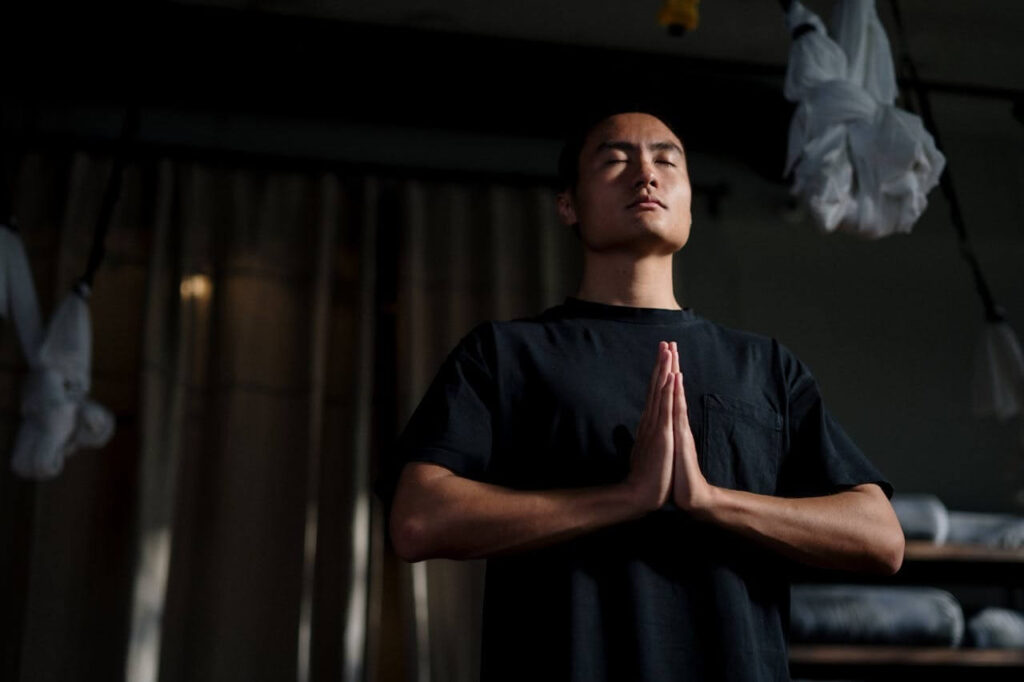
It’s easy to forget about your basic needs when you are deep in grief, but your body needs care too.
Try to eat nourishing meals, rest as much as you can, and engage in gentle movement like walking or stretching.
Small daily habits can be grounding, especially when life feels unpredictable. Taking care of yourself is not selfish, it’s an essential part of healing.
6. Limit Pressure and Expectations
There is no deadline to “feel better.” Well-meaning people might urge you to stay busy or “move on,” but only you know what you need.
Give yourself permission to grieve at your own pace, and don’t force yourself to attend events or meet obligations before you’re ready.
Grief can be a long and unpredictable journey, and allowing yourself the time and space to move through it is one of the kindest things you can do.
7. Find a New Sense of Purpose or Meaning When You’re Ready

In time, many people find that creating something meaningful in honour of their loved ones helps them feel more connected.
This might involve volunteering, starting a small memorial project, supporting a cause your loved one cared about, or simply living your life in a way that reflects their values.
Healing does not mean forgetting. It means finding a new way to carry your grief with love, purpose and hope, one step at a time.
Get Compassionate Guidance and Support with Nirvana Memorial Garden
The loss of a loved one can be one of the most painful and confusing experiences in life.
If you need support in planning a funeral or navigating grief, Nirvana Memorial Garden is here to help.
From assistance with memorial planning, personalised funeral arrangements, to holistic bereavement services, Nirvana offers more than just logistics.
We understand how overwhelming the process of grief and healing can be, and we’re committed to walking alongside you with care and respect.
In addition to emotional support, families often have to handle important legal matters after a loved one’s passing. To better understand this process, read our guide: Legal Process After Death in Singapore: How to Get a Death Certificate and Handle the Will.
Contact us today to learn how we can help you honour the life and memory of your loved one with dignity and compassion.