
 ENG
ENG 华文
华文Losing someone you love is one of life’s most painful experiences—one that brings emotional weight, grief, and the pressure of urgent responsibilities.
In Singapore, many families navigating this process for the first time find themselves overwhelmed by legal, administrative, and ceremonial demands.
This guide walks you through the essential steps to take after a death, from obtaining official documents to planning a funeral, while also offering thoughtful ways to support grieving family members.
Read on to understand what to do next, one step at a time.
Immediate Steps After a Death

Knowing what to do when someone dies at home or in hospital can help you take clear, informed action during an otherwise overwhelming time.
The first steps depend on where the person passed away—either at home or in a hospital.
In both situations, the process begins with obtaining a Certificate of Cause of Death (CCOD), which is required before any other arrangements can proceed.
If the Death Occurs at Home
Call a doctor immediately to confirm the death. If it is expected and natural, the attending doctor will examine the body and issue the CCOD on the spot.
However, if the doctor is unavailable or the cause of death is uncertain, you must call the police or the Singapore Civil Defence Force (SCDF).
In such cases, the body will be transported to a hospital mortuary for further examination by a forensic pathologist. Once the cause is determined, the hospital will issue the certificate required to register the death.
If the Death Occurs in a Hospital
If the death occurs in a hospital, the hospital staff typically handles the immediate arrangements.
The attending doctor will issue the CCOD, and the body will usually be kept in the hospital mortuary until funeral arrangements are made.
In most cases, hospital staff will advise you on the next steps, including how and where to register the death.
How Do I Register the Death in Singapore?
In Singapore, it is mandatory to register a death within 24 hours of its occurrence. This must be completed before any funeral or cremation arrangements can take place.
If the death occurred in a hospital, registration is often handled on-site with assistance from hospital staff.
Alternatively, you can register the death at any Neighbourhood Police Centre or online via the My Legacy portal (if digital registration is available in your case).
To complete the registration, you’ll need the following documents:
- The Certificate of Cause of Death
- The deceased’s NRIC or passport
- The informant’s identification (usually a family member)
Once registration is complete, you will receive the official death certificate, which includes a unique death document number.
This certificate will be required for tasks such as organising the funeral, notifying authorities, and managing the deceased’s estate.
Planning the Funeral and Choosing a Funeral Director

Once the death has been officially registered and the certificate obtained, the focus naturally shifts to planning a respectful farewell for your loved one.
This stage often feels overwhelming, but you don’t have to navigate it alone.
Choosing to engage a funeral director who is licensed can ease the load considerably. They handle practical matters such as transporting the body, preparing it for the wake (including embalming or dressing), providing the casket, and setting up the wake venue.
In addition, many offer support with paperwork, obituary notices, and coordination with cremation or burial services.
As you begin planning, consider the preferences of the deceased, whether cultural traditions, religious rites, or personal wishes.
You’ll also need to decide where the wake will be held, such as at a funeral parlour, place of worship, or even under an HDB block’s void deck, which remains a common option for many families in Singapore.
Funeral directors typically offer packages to suit different needs and budgets.
A good provider will walk you through the available options and ensure that every detail, from ceremony to logistics, is managed with respect and care.
Who Needs to Be Notified After the Funeral?
After the funeral, it’s important to inform relevant organisations of your loved one’s passing.
This helps prevent unexpected deductions, stops ongoing transactions, and ensures that legal and financial matters are properly closed.
Start with key government departments, including:
- Immigration and Checkpoints Authority (ICA)
- Central Provident Fund (CPF) Board
- Inland Revenue Authority of Singapore (IRAS)
- Housing and Development Board (HDB)
- Land Transport Authority (LTA)
Next, contact financial institutions such as banks and insurance companies to freeze accounts, halt GIRO deductions, and begin any claims or settlement processes.
If the deceased was employed, their employer should also be informed to process final salary, benefits, or outstanding leave.
Finally, cancel or transfer utility bills, telecom subscriptions, and any service-related accounts to prevent billing issues.
For each of these, a copy of the official death certificate will be required as verification.
Settling the Deceased’s Legal and Financial Affairs
After notifying the necessary organisations, the next step is to settle the deceased’s estate.
This involves locating legal documents, distributing assets, and closing any outstanding matters. Whether or not a will exists will determine the process you’ll need to follow.
If There Is a Will
If a will exists, it typically names an executor who must apply for a Grant of Probate from the Family Justice Courts to manage the estate.
If There Is No Will
In the absence of a will, a next-of-kin can apply for Letters of Administration to become the legal representative.
This process can be more complex, and the distribution of the estate will follow the Intestate Succession Act in Singapore.
Common estate matters that may need to be handled include:
- Accessing and closing bank accounts
- Claiming insurance payouts
- Transferring investments, real estate, and CPF funds
- Opening and inventorying safety deposit boxes
- Paying off loans, debts, or outstanding obligations
Depending on the size and complexity of the estate, this process may take several weeks or even months.
If disputes arise or important documents are missing, it’s advisable to consult a probate lawyer or estate professional for guidance.
Supporting Your Loved Ones Through Grief

Alongside the legal and administrative responsibilities that follow a death, it’s just as important to care for the emotional needs of family members left behind.
Grief affects everyone differently, and support may be needed in ways that aren’t always obvious.
In the days and weeks that follow, simply being present can offer great comfort.
Spend time together, share memories, and allow space for each person to grieve in their own way. Some may want to talk; others may need quiet. Both are valid.
If grief feels prolonged or difficult to manage, don’t hesitate to seek additional support. Getting help from trained professionals or community services can make a real difference.
For reliable and authoritative information on coping with grief and bereavement, you can refer to Mind SG, a mental health resource hub managed by Singapore’s Ministry of Health. It offers official guidance on understanding grief, recognising signs, and accessing suitable support programmes — including when to consider professional help.
Let Nirvana Memorial Garden Shoulder the Burden with You
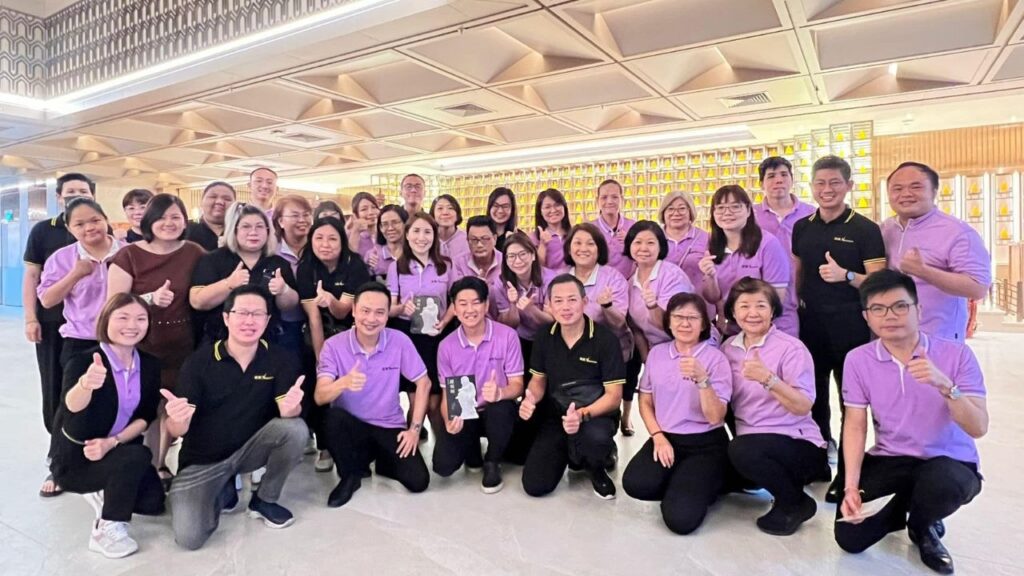
In the midst of grief, you’re expected to manage paperwork, coordinate rituals, make decisions, and stay strong for others—all at once.
It’s no wonder so many families feel lost or overwhelmed in the hours and days after a loss.
That’s where Nirvana Memorial Garden comes in.
We provide professional, end-to-end funeral and bereavement services in Singapore, taking care of every detail—from body retrieval and death registration to wake setup and religious rites.
With deep knowledge of local customs, cultural sensitivities, and legal processes, our team ensures your loved one is honoured with dignity and care.
More importantly, we’re here to lift the burden off your shoulders so you can focus on being present with your family.
WhatsApp us now. We’re available 24/7 to guide you through every step, gently and respectfully.