
 ENG
ENG 华文
华文Losing a loved one is never easy. On top of the emotional toll, families are faced with important legal matters—many of which feel unfamiliar and urgent.
In Singapore, there’s a clear legal process that follows after a death, from certifying the passing to managing the estate and interpreting the will.
But even so, for families already grieving, navigating this process can feel overwhelming.
This guide is here to support you through each step. We’ll walk you through what to do, when to do it, and how to make sure nothing important is missed.
Let’s read more.
What to Do, Step by Step: The Legal Process After a Loved One’s Passing
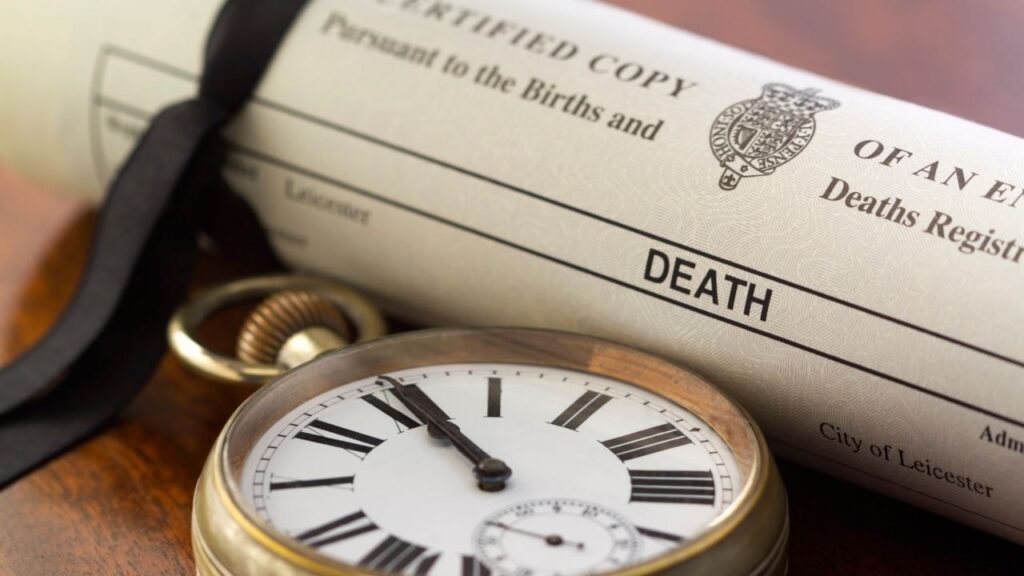
Before anything else, it helps to know what needs to be done and in what order. While no two families are the same, the legal process in Singapore generally follows a clear sequence.
Here’s a gentle, step-by-step guide to help you navigate what comes next.
Step 1: Certify the Death
The first step is to have the death medically certified. This is required before any other legal documents can be issued or funeral arrangements can be made.
If the death occurred in a hospital, the staff would handle this on your behalf. A doctor will certify the cause of death, and the death will be automatically registered.
If the death happened at home, a registered doctor must be called to attend and issue the certificate of cause of death. If you’re unsure who to contact, a licensed funeral director can help coordinate this for you.
Once this is done, you’ll be ready to move on to the next step: registering the death and obtaining the official death certificate.
Step 2: Register the Death and Get the Death Certificate
In Singapore, all deaths must be registered within 24 hours. The process varies depending on where the death occurred.
If the death occurred in a hospital: The hospital will usually handle the registration automatically. There’s no need to visit a registration counter.
If the death happened at home: The next of kin will need to register the death in person. You can do this at the Immigration Checkpoints Authority (ICA) Building or at selected police stations that offer death registration services.
You’ll need the following information for the registration:
- The NRIC or another form of identification of the deceased
- The certificate of cause of death issued by the doctor
- Details of the deceased, including NRIC, date and time of death
Once the registration is complete, you can download the digital death certificate through the My Legacy portal using your SingPass.
This document is essential, as it will be required for funeral arrangements, legal filings, and any estate-related processes. Be sure to keep it safely stored, as you’ll need it in the next few steps.
When you’re ready, the next task is to obtain a permit for cremation or burial.
Step 3: Apply for Permit to Bury or Cremate
Before any funeral arrangements can be made, you’ll need to obtain a permit to bury or cremate your loved one. This is issued by the National Environment Agency (NEA).
In most cases, your funeral director will help with this process, including submitting the application on your behalf. However, it’s helpful to know what’s involved.
To apply, you’ll need the digital death certificate, the deceased’s NRIC or ID, and details of the chosen burial or cremation.
Once the permit is approved, you may proceed with the funeral.
Step 4: Locate and Handle the Will

One of the most important tasks after a death is to find out whether your loved one left behind a valid will.
The will may be stored at home, kept with a lawyer, or registered with the Wills Registry in Singapore. If you’re not sure where to begin, a legal advisor or estate specialist can help search and verify its existence.
If There Is a Will
If a valid will is found, it will name an executor—the person appointed to carry out the deceased’s wishes.
The executor is responsible for:
- Securing the deceased’s estate
- Applying for legal permission to manage (Grant of Probate)
- Distributing assets as stated in the will
The executor will need both the original will and the digital death certificate to begin the legal process after death.
If There Is No Will
They are considered to have died intestate. In that case, the family must apply for Letters of Administration from the Family Justice Courts.
The law decides who may apply (typically a spouse, child, parent, or sibling) and the estate will be distributed according to the Intestate Succession Act.
Whether there is a will or not, this next step gives legal authority to manage the estate. Let’s look at how that works.
Step 5: Apply for Grant of Probate or Letters of Administration
This is one of the most critical legal steps after a death. It gives legal authority to manage and distribute the deceased’s estate.
If a will exists, the named executor must apply for a Grant of Probate. This document confirms the court’s recognition of the will and gives the executor permission to act on behalf of the estate.
The application process includes:
- Submitting the original will and death certificate
- Listing all known assets and liabilities of the deceased
- Attending a court hearing, if required
It’s highly recommended to engage a lawyer, especially if the estate involves multiple properties, businesses, or foreign assets.
If there is no will, the next of kin must apply for Letters of Administration. This process is similar to probate but may require additional documents, such as a list of beneficiaries and declarations of entitlement.
Once granted, the appointed administrator has the legal authority to manage and distribute the estate.
Step 6: Manage and Distribute the Estate
This process can take anywhere from a few months to over a year, depending on how complex the assets are and whether any disputes arise.
Estate administration typically involves several key responsibilities: closing bank accounts, settling any outstanding debts or taxes, transferring property ownership, and finally, distributing the remaining assets to the rightful beneficiaries as outlined in the will or law.
It’s important to note that CPF funds are not governed by wills and will be distributed according to CPF nominations made during the deceased’s lifetime.
This phase often demands time, attention to detail, and patience, especially when navigating different institutions and paperwork.
And for many families, it’s also the point when the emotional weight of it all starts to sink in.
Seek Emotional and Logistical Support

In addition to handling paperwork and legal matters, many families find this period emotionally draining.
It’s easy to underestimate how much energy it takes to manage everything, especially when you’re still processing the loss.
Tasks that might seem simple on any other day, like figuring out where to apply for a document or how to use the ICA platform to access the digital death certificate, can feel overwhelming when you’re grieving.
That’s why some families choose to get help from professionals who understand the process. It’s not just about efficiency; it’s about making sure nothing is missed, while also giving yourself space to grieve.
Having someone to guide you through each step—gently and clearly—can ease both the emotional and practical load.
How Nirvana Memorial Garden Can Support You

Grief makes every task feel more difficult, especially when you’re handling funeral logistics, permits, and cultural arrangements on your own.
That’s where Nirvana Memorial Garden comes in.
We take care of the essential details after a loved one’s passing, including funeral planning, cremation arrangements, NEA permit coordination, urn selection, and columbarium placement.
Our team works closely with government agencies and crematoria like Mandai to ensure everything proceeds smoothly, respectfully, and in line with your beliefs.
While legal process like probate, must be handled separately, we can guide you on what’s needed and support you with everything else.
WhatsApp us today to speak with someone who understands—and let us walk with you through the practical next steps.