
 ENG
ENG 华文
华文Losing someone you love is one of life’s most difficult experiences.
And when you’re asked to speak at their funeral, the emotions can feel overwhelming.
What should you say? How do you begin?
This article is here to guide you gently through the process of understanding what a funeral speech is and how to write one that truly honours a life well lived.
Understanding What a Funeral Speech Truly Is

A funeral speech—often called a eulogy—is a spoken tribute delivered during a funeral service to honour the life and memory of the deceased.
It doesn’t have to be perfect. It just needs to be sincere.
Whether you’re offering a few words or sharing a full eulogy, your role is to speak from the heart and honour your loved one’s funeral with sincerity.
The aim is to celebrate the person’s life, share meaningful memories, and offer comfort to those gathered.
You don’t need to be an experienced speaker.
In fact, some of the most powerful funeral speeches are simple and personal—filled with warmth, humour, and genuine emotion.
Types of Funeral Speeches
There are different ways to speak at a funeral, and understanding the type of speech you’re giving can help you prepare more confidently.
Here are some common roles:
Eulogy
The most personal and well-known type of tribute.
A eulogy reflects on the person’s life, values, and lasting impact.
It often includes heartfelt stories, life lessons, and expressions of love and loss.
Welcome or Opening Speech
Usually delivered by a celebrant or family member at the start of the service.
It sets the tone, welcomes attendees, and briefly introduces the purpose of the gathering.
Short Tributes or Shared Memories
Sometimes, several people are invited to speak briefly—sharing a story, a lesson, or a moment that stood out.
These short reflections create a shared sense of connection and remembrance.
Master of Ceremony Remarks
If you’re guiding the order of service, your role is to introduce speakers, explain what’s happening next, and ensure the ceremony flows smoothly.
Your presence helps create calm and structure.
Spiritual or Religious Readings
Some services include passages from religious texts, poems, or spiritual writings.
These readings, chosen for their meaning and comfort, can be delivered by a religious leader or a loved one.
Before you begin writing, take a moment to consider what kind of speech you’re giving and the role you’re stepping into.
Whether it’s a heartfelt eulogy or a few words of welcome, every speech begins with the same first step: pausing to gather your thoughts, reflect, and breathe.
Starting the Process – Take a Deep Breath
First, know this: it’s okay to feel nervous, lost, or unsure.
Writing and delivering a speech while grieving the death of a loved one is not easy.
The most important thing is that your words come from a place of genuine care.
Start by taking a few deep breaths.
Give yourself permission to pause.
Reflect quietly on your own memories, the person’s life, and what made them special to you and others.
This first step helps shift the process from overwhelming to manageable.
Step-by-Step: How to Write a Funeral Speech

1. Reflect on the Person’s Life
Before you begin writing, take some time to reflect on the loved one’s life.
Who were they? What made them unique?
Did they have a memorable laugh, a deep love for animals, or an adventurous spirit?
Think about:
- Life lessons they taught
- Key moments in their life, such as milestone birthdays, career accomplishments, or family events
- Their values, passions, and how their spirit lives on in the people they touched
Did they leave behind valuable lessons or examples of unwavering support?
Did they show extraordinary strength or resilience in their final years?
Consider how these can be expressed in your speech.
2. Collect Specific Stories and Personal Details
Speak to family and friends if you need more context or inspiration.
Maybe they were among the healthcare workers who helped others selflessly, or they volunteered in the community—these stories of kindness and service are powerful tributes.
Revisit old photos or letters. These help spark specific memories and moments worth sharing.
Use at least one example that illustrates their character on a personal level, a story that shows their humour, generosity, or love.
Perhaps they helped a stranger during your own travels, or their generosity knew no limits during tough times.
3. Create a Rough Outline
A simple structure can help you stay focused:
- Opening: Briefly introduce yourself and your relationship to the person.
- Body: Share stories, character traits, emotional moments, and how the person influenced others.
- Closing: Offer a final tribute, a farewell, or a quote that sums up their legacy.
This rough outline keeps the speech clear and easy to follow for both you and the audience.
4. Tone Matters

Before you begin writing, think about the tone that feels most fitting.
Should it be reflective and soft? Light-hearted and warm? Spiritual and reverent?
This often depends on the person’s personality—and the audience gathered to honour them.
There’s no one right way to do it.
A eulogy that captures the person’s humour can be just as meaningful as one that’s quiet and contemplative.
Let their spirit guide your tone.
5. Write Like You’re Talking to a Friend
Avoid trying to sound overly formal.
Write like you would speak to a friend or family member.
Use simple words, short sentences, and a conversational tone. This makes your speech feel personal and warm.
Including personal stories makes your speech feel authentic and heartfelt. Let your own memories and voice shine through.
That’s what creates a meaningful eulogy.
6. Keeping It Short but Meaningful
You don’t have to say everything.
In fact, most funeral speeches last between 3 to 5 minutes—just enough time to share one or two vivid stories, a few loving reflections, and a farewell.
Less can be more.
What matters is how real and heartfelt your words feel—not how long they are.
7. Read Aloud and Edit Gently
Practise reading your speech aloud. Adjust parts that feel awkward.
Focus on pacing, tone, and pauses.
Prepare for moments when genuine emotions might arise—it’s perfectly okay to tear up.
Audiences appreciate honesty.
When you speak, make eye contact when possible.
Carry printed notes, speak slowly, and breathe. Remember: you are not alone.
Tips for Delivering Your Speech with Confidence

It’s natural to feel nervous about public speaking, especially during a moment of deep grief.
But remember, everyone in the room is there out of genuine care for the loved one.
- Arrive early to feel settled in the space.
- Breathe and ground yourself before speaking.
- Look for a friendly face in the audience—a close family member or friend.
- Speak slowly and pause as needed. Emotional moments are part of the process.
Your goal isn’t to deliver a perfect speech. It’s to pay tribute with honesty and love.
The Power of Sharing Memories
What makes a great eulogy isn’t how well it’s written—it’s how well it captures the essence of the person’s life.
By sharing memories and told stories, you help others remember the true wealth of the loved one’s life, offering comfort and becoming part of the collective healing process.
Whether it’s their wisdom, humour, or how they lived their values, every story adds colour to their legacy.
These stories can bring hope and comfort to those who are grieving.
Shared Memories Tip
Don’t feel like you have to remember everything on your own.
A simple message to a few family members or friends—“What’s one memory of them you’ll never forget?”—can spark beautiful stories you may have forgotten or never heard.
These contributions can become some of the most moving parts of your speech.
How Infinity Legacy Supports You in Saying Goodbye
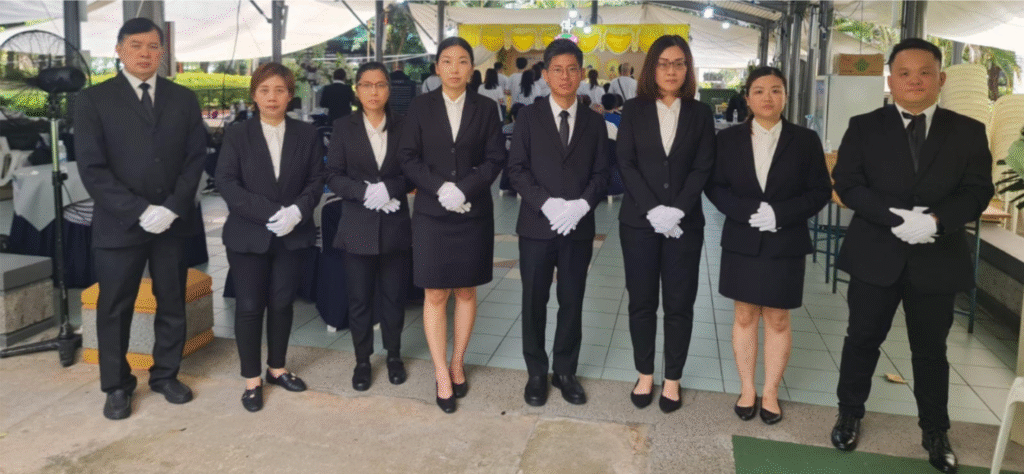
At Infinity Legacy, a funeral service agency under Nirvana Singapore, we understand how overwhelming it can feel to write and deliver a funeral speech.
That’s why we offer more than just funeral arrangements—we offer emotional guidance.
Our compassionate team of funeral directors and ceremony planners help you every step of the way, whether you’re:
- Writing a funeral eulogy
- Preparing a welcome speech for funeral service
- Speaking as a funeral celebrant or master of ceremony
Whether you’re a close friend or a family member, our mission is to help you honour your loved one with grace, clarity, and peace.
We know that words can be hard to find when your heart is full.
Whether you need help writing your speech or planning a service that feels true to your loved one’s spirit, our team at Infinity Legacy is here to walk beside you.
Reach out to us to learn more about how we can support you in creating a ceremony that truly reflects the life, love, and legacy of the one you’ve lost.