
 ENG
ENG 华文
华文Funerals are a time for reflection, love, and respect, especially in the Buddhist tradition. They go beyond farewells, serving as deeply spiritual practices rooted in compassion and mindfulness.
Buddhist funeral traditions focus on honouring the deceased while guiding their soul toward a better rebirth.
In this guide, we’ll walk you through the meaningful rituals that are practised within Singapore’s unique cultural and physical landscape, forming the heart of Buddhist funerals.
Understanding Buddhist Funeral Practices in Singapore

An Overview of Buddhist Funeral Beliefs
In Buddhist beliefs, death is seen not as an end but as part of a cycle of rebirth known as Samsara.
This belief profoundly influences every aspect of Buddhist funeral rites, where prayers and rituals are performed to guide the deceased towards a favourable rebirth.
Compassion, mindfulness, and detachment are central themes, offering comfort to grieving families while honouring the departed.
The Role of Buddhist Funeral Customs in Honouring the Departed
Buddhist funerals embody respect for the deceased while bringing solace to the living.
Through Buddhist rituals like chanting and offerings, family members express gratitude and generate good karma for the departed’s soul.
It’s not just a ceremony; it’s a meaningful tribute to honour life’s journey.
Why Cremation is the Preferred Choice in Singapore
In land-scarce Singapore, cremation is widely embraced for its practicality and sustainability, making it a key aspect of the Buddhist tradition.
It aligns with Buddhist teachings of impermanence and simplicity.
Cremation also allows families to house ashes in columbarium niches, preserving space while providing a serene resting place.
Key Buddhist Funeral Rites and Rituals

Buddhist funeral customs vary across traditions, with Mahayana and Theravada Buddhism being the two most practised forms in Singapore.
The Wake Ceremony
The wake is a central part of Buddhist funeral services. Typically lasting three to seven days, it allows loved ones to pay their respects in a formal setting.
During the wake, Buddhist monks lead prayers and chants, which are integral to both Mahayana Buddhist funeral customs and Theravada Buddhist funeral customs.
Following the wake, the Buddhist mourning period traditionally lasts up to 100 days, with memorial services held on significant days, such as the third, seventh, 49th, and 100th days, to honour the deceased and transfer merit to their soul.
The Importance of Chanting and Monastic Presence
Chanting is believed to guide the soul towards enlightenment.
Monks play a vital role in this process, leading Buddhist funeral prayers that create positive energy and ensure a smooth transition for the departed.
Their presence brings spiritual assurance to grieving families.
Symbolism in Offerings and Altar Arrangements

Every item on a Buddhist altar has a deeper meaning. Flowers represent the fleeting nature of life, incense purifies the atmosphere, and fruits signify gratitude.
These offerings often accompany ceremonies where monks or nuns conduct Buddhist blessing rites.
These rites reinforce the sanctity of the space and create a serene environment for prayer.
Traditional Buddhist Burial Customs

Buddhist Burial vs Cremation: What’s the Difference?
Traditional burials, while less common, are still practised by some families depending on personal or cultural preferences.
Burial involves laying the body in a coffin, often with personal items.
In contrast, cremation is typically conducted after a seven-day period, allowing time for prayers and rituals that honour the deceased.
Both approaches reflect Buddhist teachings but cater to different traditions and family choices.
The Cremation Ceremony Step-by-Step
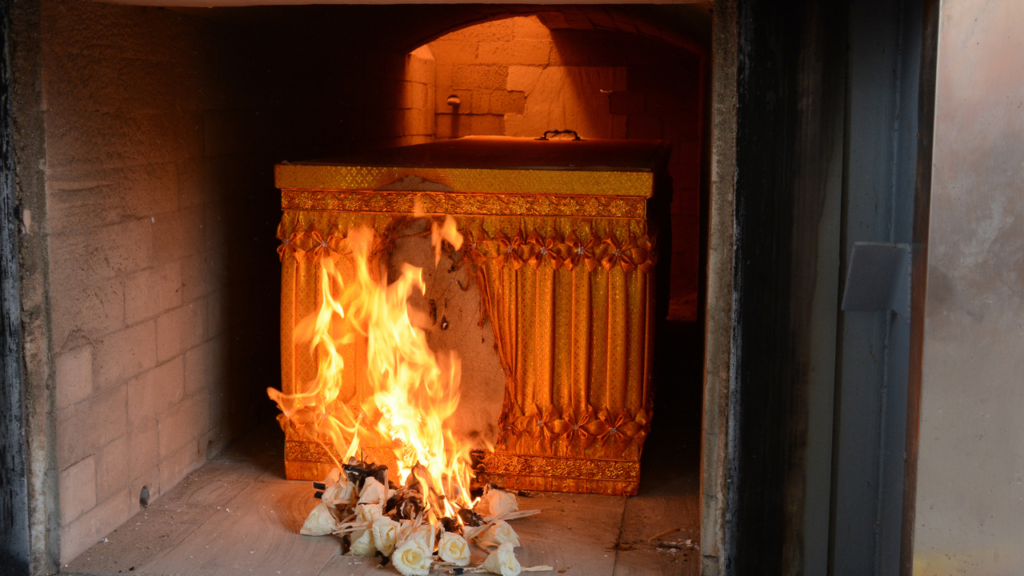
A Buddhist cremation ceremony begins with prayers and chanting, often led by monks or nuns.
This is followed by a solemn procession to the crematorium. After the cremation, family members may collect the ashes, which are later housed in an urn.
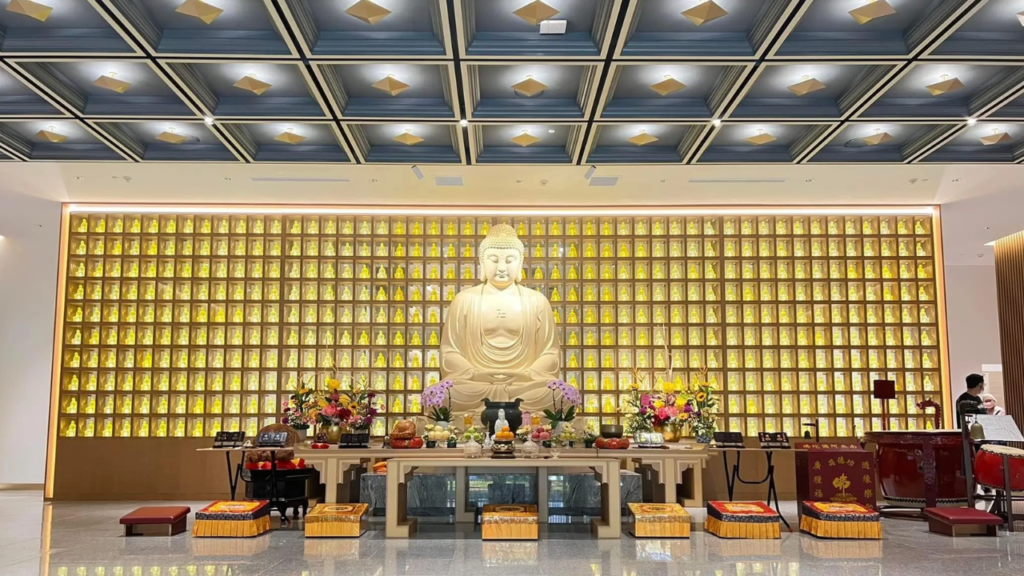
The ashes are then placed in a columbarium niche, often accompanied by personal tributes such as photos or flowers.
What to Wear to a Buddhist Funeral
As part of Buddhist funeral etiquette, attendees are encouraged to wear modest and sombre clothing, typically in neutral tones like white or black.
Flashy colours and patterns are avoided to maintain the solemnity of the occasion.
Dressing appropriately is a simple yet powerful way to show respect and convey empathy for the grieving family and reflects the reverence inherent in Buddhist traditions.
Planning Ahead: Securing Peace of Mind
The Importance of Pre-Planning Your Funeral
Pre-planning allows you to reduce the burden on loved ones during an emotional time.
It ensures your wishes are respected while providing financial clarity. In Buddhism, thoughtful planning is an act of compassion.
Choosing the Right Funeral Service Provider
Selecting a funeral service provider familiar with Buddhist customs is crucial.
Look for one that offers comprehensive services in Singapore, from arranging rituals to securing columbarium niches.
A compassionate and experienced provider like Infinity Legacy will ease the process, giving families the space to focus on honouring their loved ones.
Preserve Legacies for Generations with Infinity Legacy
Planning a Buddhist funeral requires care and understanding.
At Infinity Legacy, we provide Buddhist funeral services to honour your loved one’s life and legacy.
Whether you’re pre-planning or organising a funeral, our compassionate team is here to guide you every step of the way.
We are committed to ensuring every detail reflects the cultural and spiritual significance of this important journey.
Visit our page now to learn how we can help you create a meaningful and respectful farewell.