
 ENG
ENG 华文
华文Attending a funeral or memorial service can be an emotional and sometimes overwhelming experience, especially if you’re unsure about what’s expected of you.
But here’s the heart of it: funeral etiquette isn’t about following rigid rules. It’s also about showing respect, offering comfort, and being there for the grieving family in a meaningful way.
In this article, we’ll help you navigate everything from what to wear to how to express condolences—so you can honour the deceased and support their immediate family members.
Why is Funeral Etiquette Important?
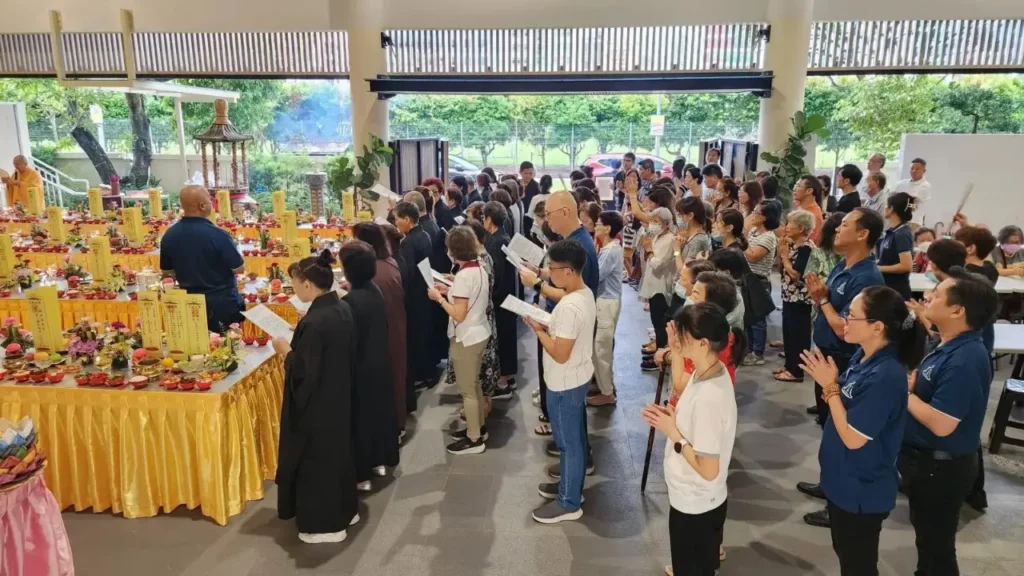
The way we dress, speak, and act at a funeral home or service speaks volumes. It’s a way of saying, “I’m here for you,” without needing a lot of words.
By observing proper funeral etiquette, you help keep the focus on what matters most: honouring the life of the deceased and providing comfort to their family.
Cultural Differences in Funeral Etiquette
Funeral customs vary widely across cultures and religions, reflecting unique beliefs about life, death, and the afterlife.
With Singapore’s diversity, you might attend Buddhist ceremonies, Taoist rituals, Catholic masses, or Islamic services at any point in life.
Knowing what to expect (i.e. dress code) and how to participate respectfully (i.e. rituals and customs) ensures you’ll not accidentally offend the family while being supportive.
Here’s a quick overview of some common practices:
Buddhist Funerals
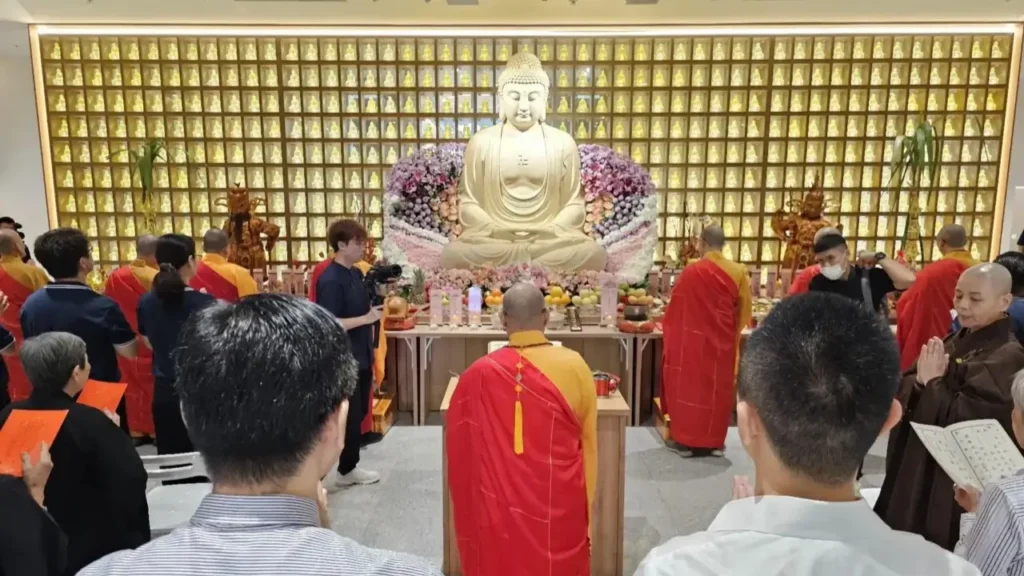
Buddhist funerals focus on life’s impermanence and rebirth.
The ceremonies often include chanting led by monks and symbolic offerings. Attendees typically wear white to signify mourning and humility.
Taoist Funerals
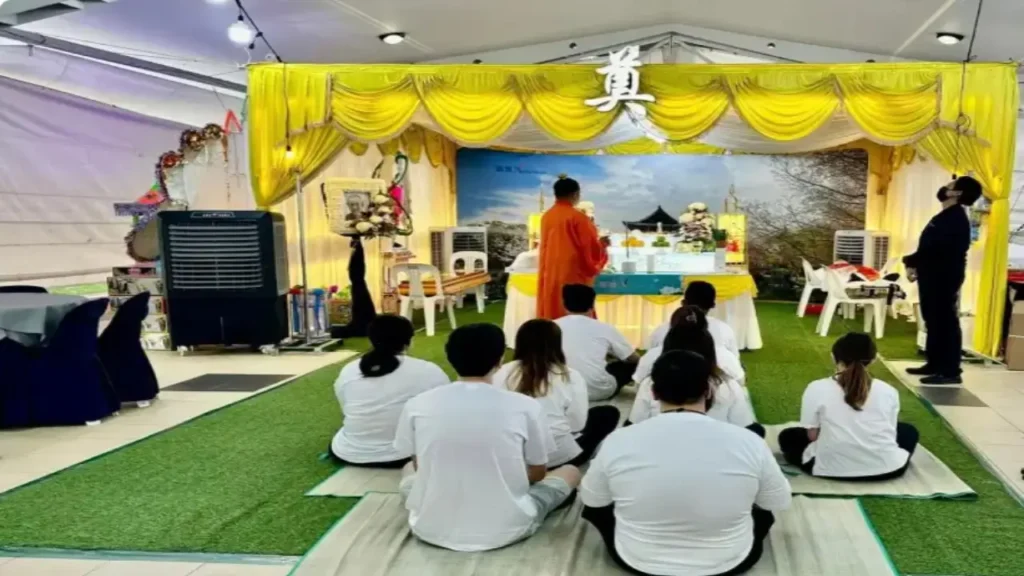
Taoist services involve rituals, prayers, and offerings that guide the deceased to peace.
Funeral attendees may witness dramatic traditions, such as a funeral procession or the burning of joss paper, which are meant to honour the deceased and ensure peace for their soul.
Catholic Funerals
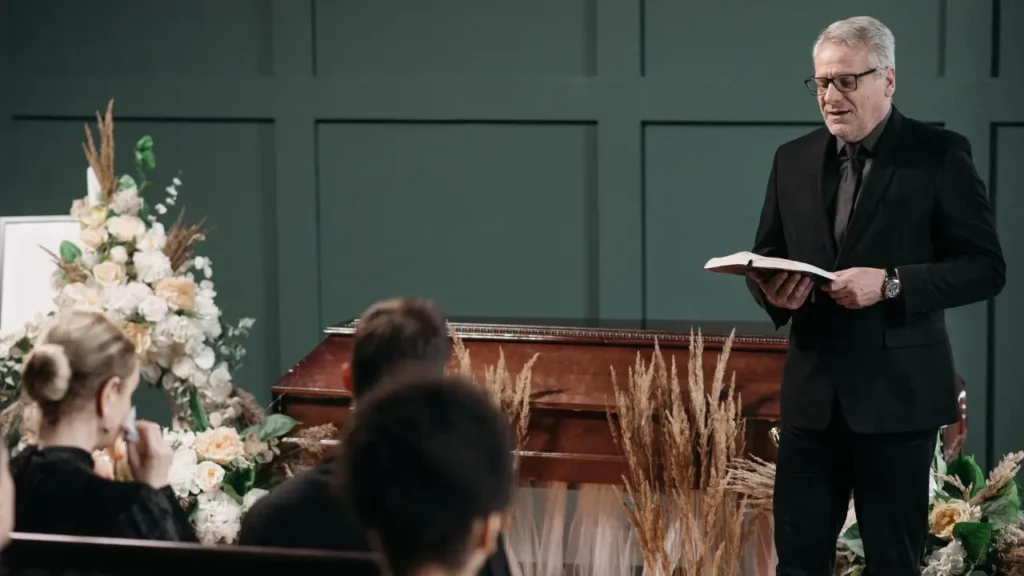
Catholic funerals emphasise on hope in eternal life, involving a wake or viewing, followed by a Catholic funeral mass and burial.
Hymns, scripture readings, and prayers led by the priest are central to the service, and attendees are expected to dress conservatively.
Islamic Funerals
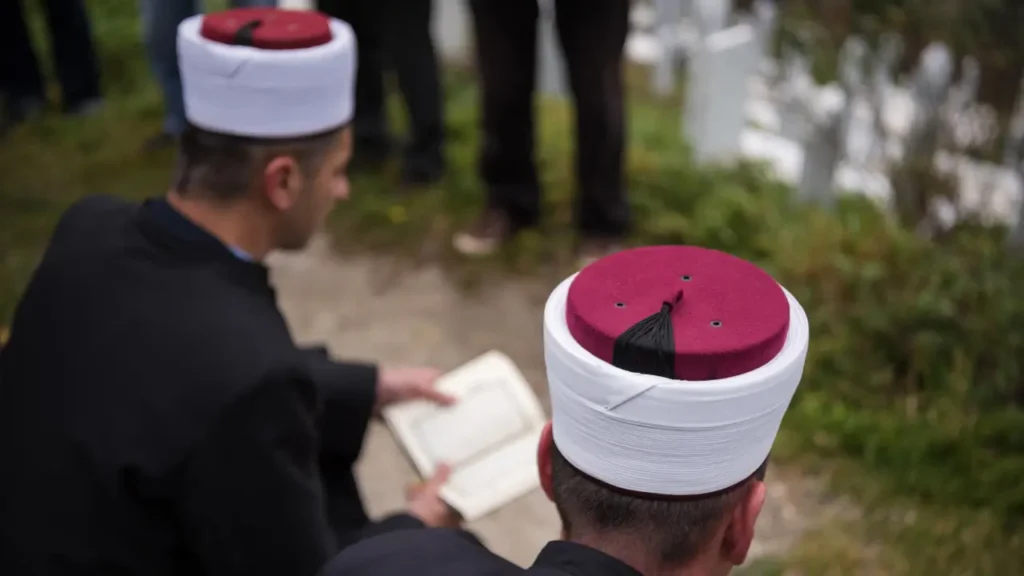
Islamic funerals are simple and swift, with burials often occurring within 24 hours of death.
The Janazah prayer brings the community together, and modest dress is required, with women covering their heads. The focus is on equality and dignity for the deceased.
General Guide to Funeral Etiquette
No matter the cultural or religious context, there are universal ways to show respect and kindness at a funeral. Here’s how:
Appropriate Attire
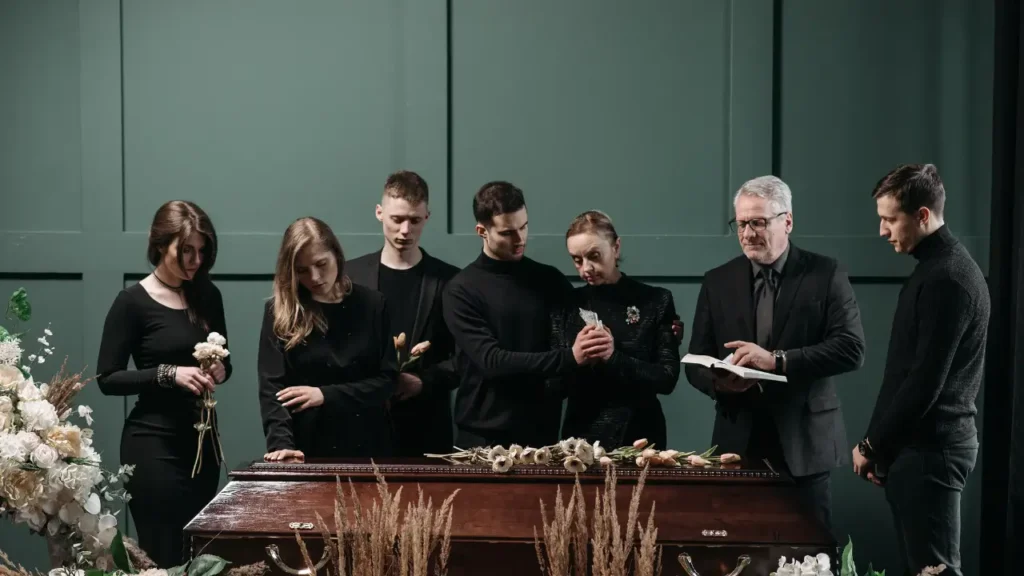
Funerals are about respect, not fashion.
Stick to modest, subdued clothing—usually black, grey, or white, depending on the culture. Avoid bright colours or flashy accessories at all costs.
If the funeral includes outdoor elements, such as a burial, you should consider wearing practical footwear and weather-appropriate attire to remain respectful while still staying comfortable.
Offering Condolences
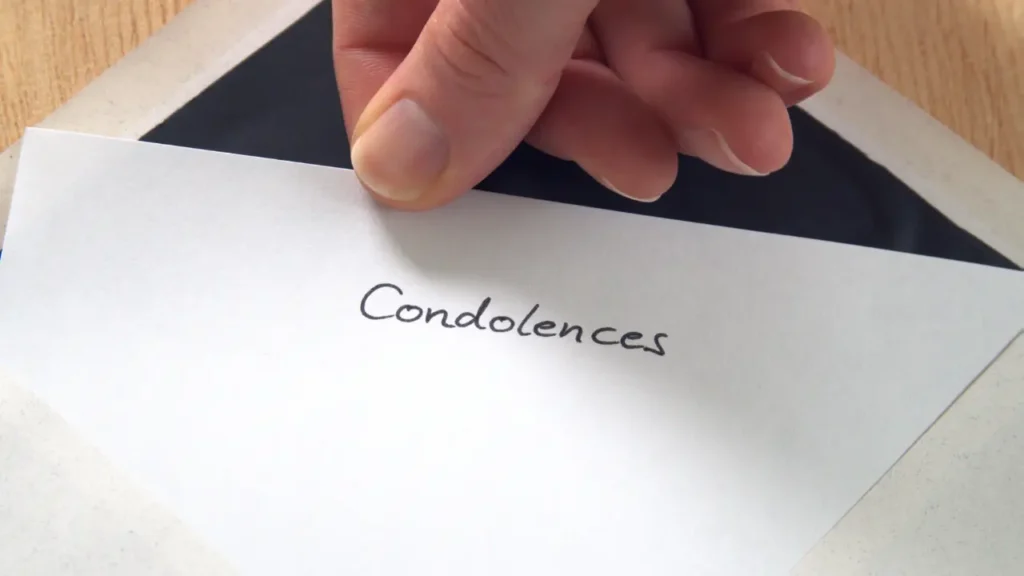
Offering condolences can be difficult, but it’s an important way to support the grieving family.
Avoid phrases like “They’re in a better place now,” as these can unintentionally hurt. Instead, try simple phrases like, “I’m so sorry for your loss,” or “They will be missed,” which can mean a lot to the family.
If you’re unsure what to say, you can also express your support through a thoughtful gesture—a card, flowers, or a donation to a cause the deceased cared about.
Sometimes, just being there and listening can mean a lot to the grieving family.
Behave with Respect
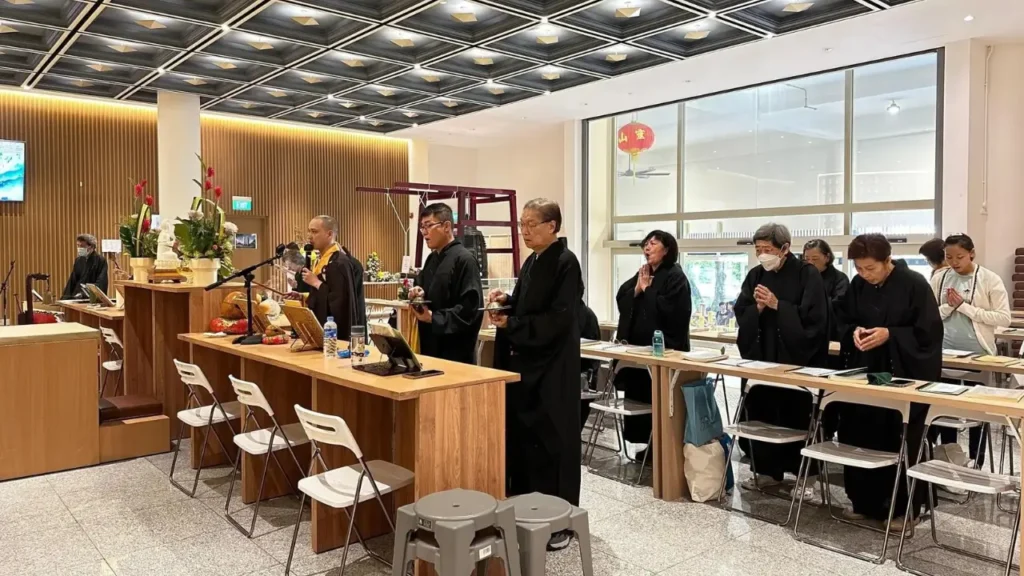
It’s a solemn occasion, so maintain a calm and composed demeanour throughout the ceremony.
Show kindness and empathy towards the grieving family and avoid drawing attention to yourself during the service.
Additionally, you can follow along quietly if there are rituals or customs, such as standing or bowing, even if you don’t necessary understand them or have the same religion.
Support Without Overstepping
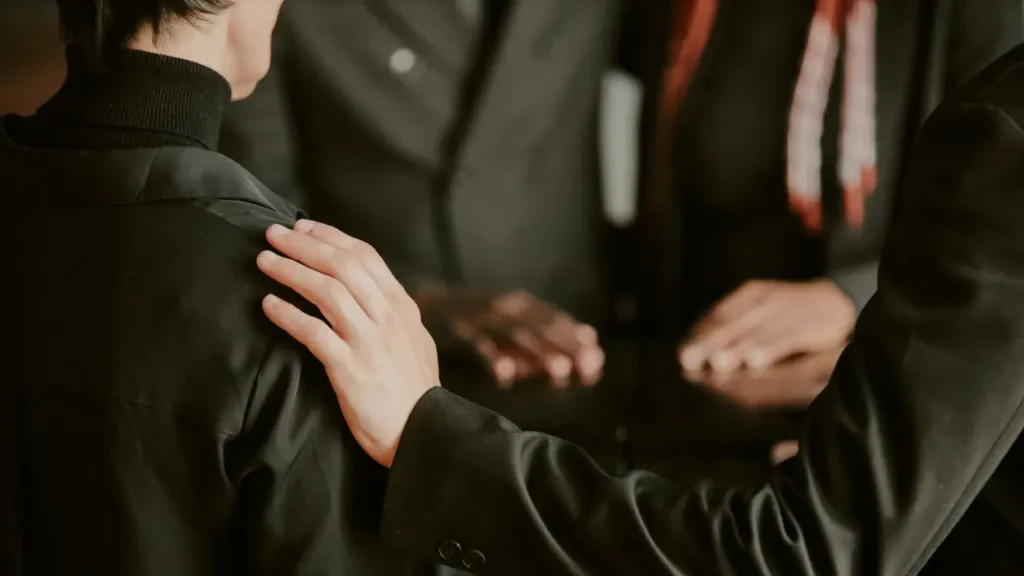
Sometimes, the best support is simply being present.
A touch on the arm, a comforting nod, or simply sitting nearby can say more than words. If you’re close to the family, you can do small acts of kindness, like bringing a meal or helping with practical tasks.
Most importantly, respect their need for privacy and space, and let them take the lead on how much interaction they’re ready for.
Respect Cultural and Religious Traditions
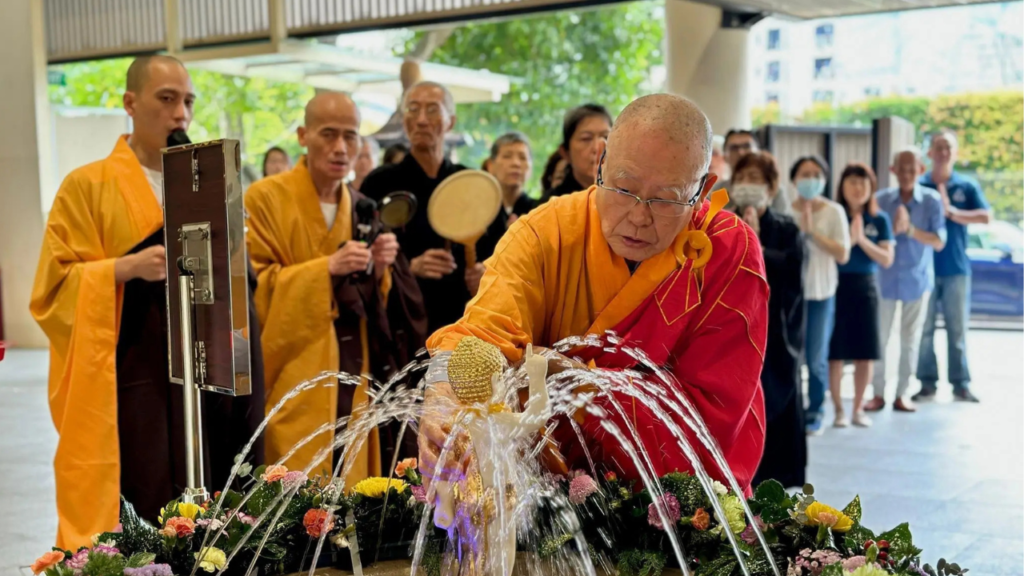
Different cultures and religions have their own unique funeral customs.
If you’re unsure about specific customs, do your research beforehand or politely ask someone for guidance.
For instance, Buddhist ceremonies may involve chanting that requires silence from attendees, while Catholic services might include communal prayers.
Choose Sympathy Gifts Wisely

Before selecting a sympathy gift, think about the deceased’s culture! While flowers are often a safe choice, some cultures may prefer charitable donations or other gestures.
Personalise your gift, like adding a personal note, can add meaning and show genuine thoughtfulness.
If you’re uncertain about what’s appropriate, discreetly ask a close friend or family member of the bereaved for advice on choosing a gift that truly honours the deceased.
Common Mistakes to Avoid
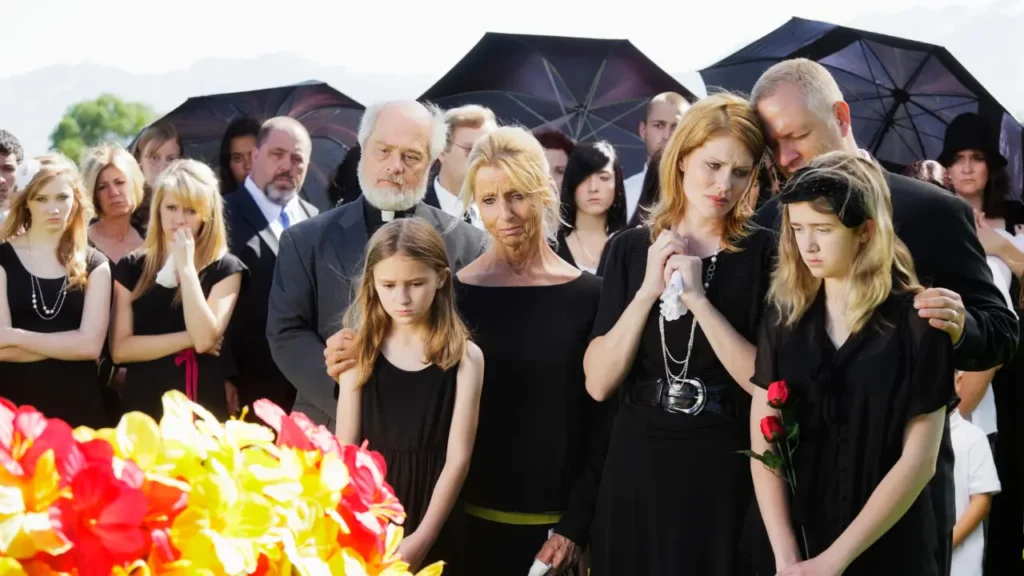
To ensure respectful attendance at a funeral, be mindful to avoid these common mistakes:
Arriving Late
Aim to arrive at least 10-15 minutes early to avoid disrupting the service and showing a lack of respect for both the ceremony and the bereaved.
Inappropriate Attire
Dress conservatively and choose muted colours, such as black or grey. Always adhere to any specific dress codes noted by the family or cultural traditions.
Using Your Phone
Keep your phone turned off or in silent mode to avoid any disturbances. Using your phone at a funeral is seen as highly disrespectful.
Making Assumptions About the Bereaved’s Feelings
Respect the grieving process and avoid projecting your expectations onto the bereaved. Give them space to express their emotions naturally without pressure.
Ignoring Traditions
Show respect by learning and observing the family’s cultural or religious customs that are part of the funeral.
Key takeaways
Now that you’ve understood what are the funerals you can expect in Singapore, it’s time to reflect on your own.
Pre-planning a funeral for yourself or a loved one may sound like you’re being pessimistic about life. But the truth is, you never know what will happen next and it’s always a good idea to be prepared.
If you’re unsure about specific details, partner with an expert like Infinity Legacy for help! Their team has a deep understanding of cultural and religious customs, ensuring that every aspect of your journey is handled with the utmost care.
Plan a Meaningful Farewell with Infinity Legacy
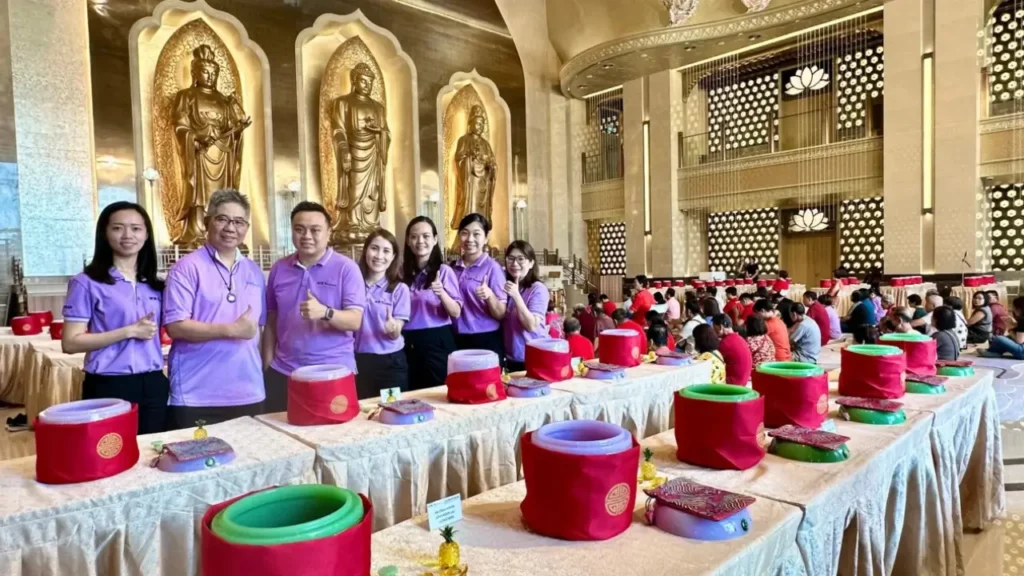
Funeral etiquette can feel confusing, but planning ahead can make things easier and help avoid mistakes.
It ensures everything is handled with care, honouring traditions and giving your family peace of mind during a difficult time.
At Infinity Legacy, part of the Nirvana Asia Group, we provide caring and personalised funeral services to meet your needs.
From respecting cultural practices to organising meaningful ceremonies, we take care of every detail with respect and professionalism.
Why choose Infinity Legacy?
- A range of columbarium niches to fit any budget
- Services tailored to all religious and cultural traditions
- Multilingual support for clear communication
- Transparent pricing with no hidden fees
- Flexible payment plans with 0% interest for up to 48 months
Make things easier for your loved ones by planning ahead. Let Infinity Legacy handle the details so you can focus on what matters most.
Secure your niche at Nirvana Singapore now.