
 ENG
ENG 华文
华文When someone we love passes away, we want to provide them with a resting place that feels right: calm, respectful, and surrounded by positive energy.
In Chinese tradition, feng shui burial customs are a big part of this process. They’re not just superstition or old-fashioned ideas. In fact, they are rooted in the belief that where and how a person is buried can influence not only their peace in the afterlife, but also the well-being of their descendants.
Most people have heard of feng shui for homes (yang house feng shui), where we arrange spaces to encourage good luck and harmony.
But there’s another side to it — the yin house feng shui, which focuses on burial sites.
In this article, we’ll explain what yin and yang mean in this context and share seven practical, easy-to-follow tips for choosing and caring for a burial site.
Understanding the Two Sides of Feng Shui: Yin and Yang

Feng shui is built on the idea of yin and yang — two opposing yet complementary energies that exist in balance.
Think of yin as still, dark, and quiet, while yang is the complete opposite: bright, active, and lively.
In the context of burial customs:
- Yin House Feng Shui (yin house) refers to the final resting place of the deceased (burial sites, tombs, and cemeteries).
- Yang House Feng Shui (yang house) is for the homes of the living.
The two are linked. According to the principles of feng shui, a harmonious burial site (good yin energy) can help bring stability, prosperity, and harmony to the family (yang energy).
On the other hand, a poorly located grave can cause misfortune, conflict, or stagnation.
Principles of Yin House Feng Shui (Feng Shui for Burial Sites)

Before we look at the practical tips, it’s important to understand some of the key principles behind feng shui for burial sites.
The shape of the land matters
Mountains, hills, rivers, and open spaces influence how qi moves around the grave. Burial sites with protective mountains and welcoming water features are considered auspicious.
Water is a symbol of prosperity
In yin house feng shui, water in front of the grave can bring prosperity and good luck to descendants — provided it is not stagnant or flowing too aggressively towards the site.
Balance and shelter
The site should be protected from harsh winds but not completely enclosed to allow energy to settle gently around the grave.
It’s for the living as well as the dead
A peaceful, well-kept grave honours the deceased and symbolically supports the well-being of family members.
7 Simple Feng Shui Tips for Burial Sites
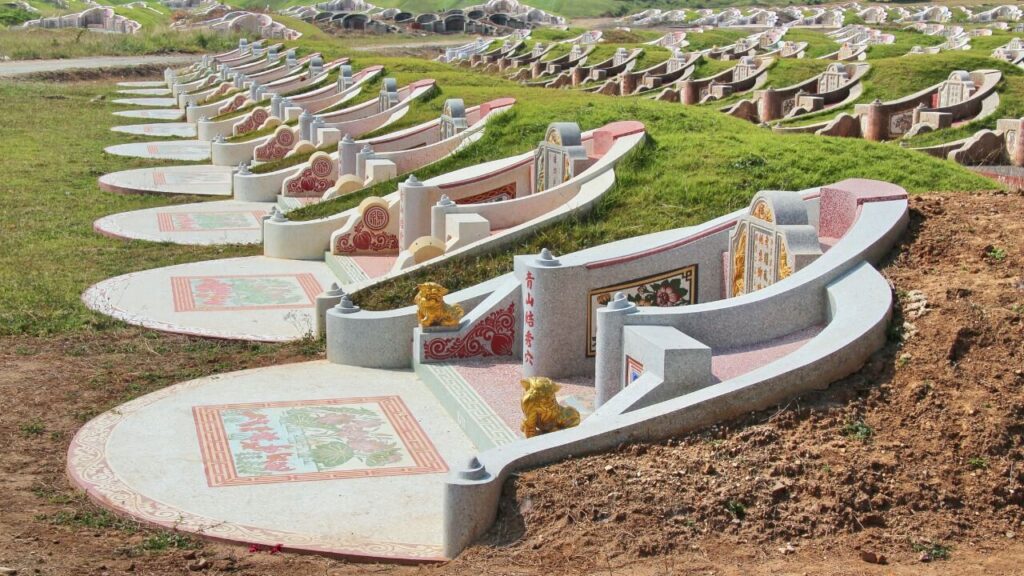
Tip 1: Choose a Site with a “Mountain” at the Back
In feng shui, mountains symbolise stability, strength, and protection. And having a hill or mountain behind the grave acts like a solid “backrest”, providing protection and support for descendants.
Avoid placing the grave right on a mountain top (too exposed to wind) or deep in a valley (energy gets trapped).
The ideal location is a gentle slope behind, offering protection without blocking the view ahead.
Tip 2: Look for Calm Water Features
Water represents prosperity in feng shui, but its flow and placement matter.
A small pond, lake, or slow-moving stream in front of the grave can enhance the flow of positive energy.
However, avoid stagnant water (which can lead to “stuck” energy) and fast-moving water rushing towards the grave (symbolically washing good fortune away).
Tip 3: Mind the Land Slope and Wind Flow
A gentle slope helps qi to settle and nourish the grave site.
Conversely, steep slopes can cause energy to “run off” too quickly, while completely flat ground may cause it to stagnate.
Likewise, the grave should be sheltered from harsh winds that can scatter beneficial energy, but it should still have access to fresh air and light.
Tip 4: Keep Large Trees at a Distance
While large trees can offer shade, their roots can damage the tombstone or disturb the soil over time.
In yin house feng shui, this can disrupt the stability of the resting place, causing structural and energetic disharmony.
If you want to plant greenery, opt for ornamental shrubs or flowers at a respectful distance from the grave.
Tip 5: Position the Tombstone Thoughtfully
The direction the tombstone faces should be chosen with care, and under the guidance of a feng shui master.
An auspicious orientation typically takes into account the deceased’s birth date, the surrounding land, and the family’s circumstances.
In general, the tombstone should face an open, unobstructed view, not a wall, cliff, or tall building. This “open space” ahead is believed to welcome good fortune.
Tip 6: Use Durable, Respectful Materials
The tombstone is a lasting tribute to the deceased.
Use high-quality materials such as granite are strong and weather-resistant, while inscriptions and carvings should be chosen with care to reflect respect and cultural meaning.
Tip 7: Visit and Maintain the Site Regularly
A burial site is not “set and forget”, especially in feng shui, where regular upkeep is essential to maintaining good energy.
Families should visit during remembrance festivals such as Qingming to clean the grave, clear weeds, and make offerings.
These small acts can keep the site respectful and its energy positive!
How Feng Shui Works in Urban Singapore
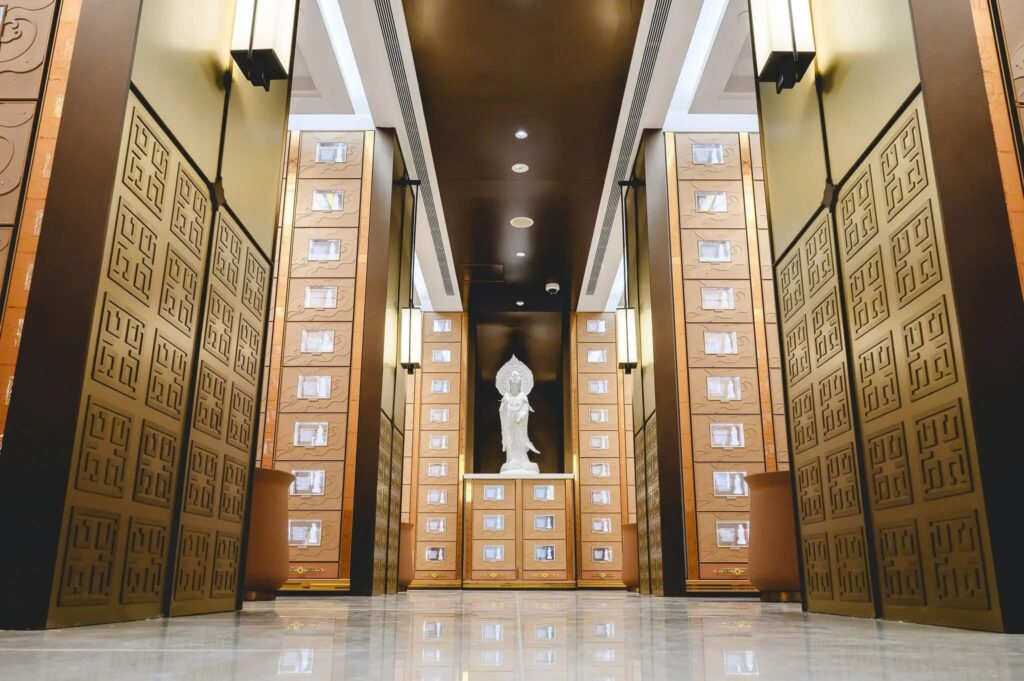
With limited land in Singapore, many families choose landscaped memorial gardens or vertical columbaria instead of traditional hillside burials.
Even so, the same feng shui principles still apply.
Professional cemetery designers now work closely with a feng shui master to ensure these spaces maintain harmony between landforms, water features, and pathways that allow qi to flow smoothly.
This way, even in an urban setting, families can follow the customs that matter to them.
Why These Customs Matter for the Living
While feng shui burial customs are rooted in caring for the dead, they are equally about caring for the living.
A well-chosen, well-maintained yin house provides emotional closure, reduces family tensions, and symbolically “anchors” the family’s fortunes.
For many Chinese families, these customs are an enduring way of showing love and respect — creating a resting place that reflects dignity, peace, and hope for descendants.
Honour the Past, Bless the Future with Nirvana Memorial Garden
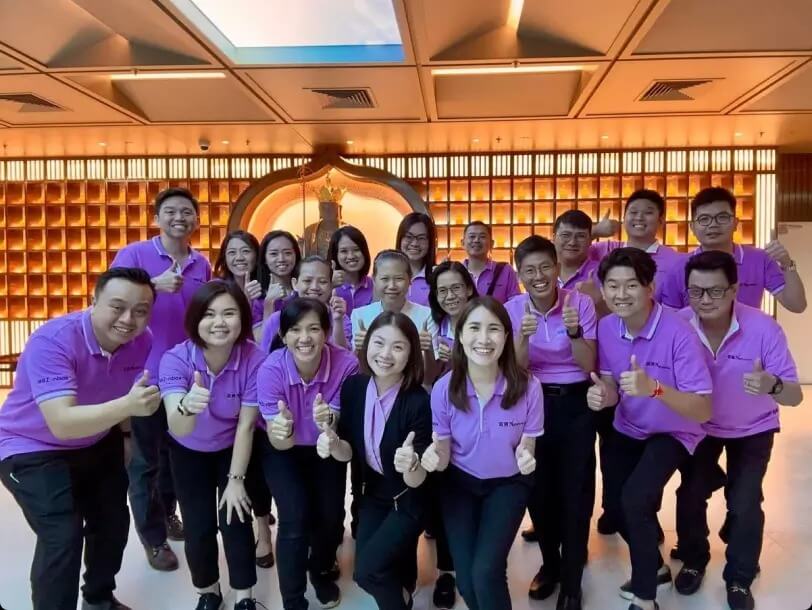
Choosing a burial site in line with feng shui principles can be emotional and overwhelming, especially when you’re navigating the loss of a loved one.
Don’t worry, Nirvana Memorial Garden is here to guide you!
Our memorial grounds are thoughtfully designed with feng shui harmony in mind, from protective mountain-like structures to gentle water features and open spaces.
We work closely with experienced feng shui masters to help you select the most auspicious resting place for your loved one, one that brings comfort to the departed and blessings to the living.
Beyond the site itself, Nirvana Memorial Garden offers:
- Feng shui-compliant grounds designed with advice from experienced feng shui masters.
- Guidance in site selection to find the most auspicious resting place for your loved one.
- Beautifully landscaped surroundings with mountain-like structures, water features, and peaceful open spaces.
- Ongoing maintenance and care, so you know the site will always be looked after.
- Comprehensive remembrance services for Qingming and other important occasions.
As you consider feng shui and family traditions, it may also help to understand the practical aspects of burial. Learn more in our guide: Burial in Singapore: 7 Key Factors to Consider When Choosing a Burial Option.
With the help of Nirvana Memorial Garden, you can be assured your loved one’s resting place will honour tradition, bring peace, and bless the family for generations.
Connect with us today to secure a resting place that brings comfort and blessings to your family.